
 CS2
 Dota 2
 LoL
 VAL
 MLBB
 HoK
 R6
 OW
 CoD
 SC2
 RL
Battle royale is the youngest of the big esports genres, and the strangest one to watch. Instead of two teams facing each other, a single match drops dozens of players onto one map, shrinks the playable area until only one team is left, and then does it all again five or six times before anyone is crowned. In this article we cover where the genre came from, the games that built real competitive scenes, how tournaments are actually scored, and why battle royale has never quite fitted the mold of traditional esports.
See also our articles on FPS, MOBA, RTS, fighting game and card game esports.
What is a battle royale?
A battle royale game puts a large number of players (typically 60 to 150) on one map with little or no equipment. Everyone scavenges for weapons and gear, and a shrinking safe zone forces the survivors closer together over time. The last player or team alive wins. The name comes from Koushun Takami's 1999 novel Battle Royale and its 2000 film adaptation, in which a class of students is forced to fight until one remains.
Like MOBAs before it, the genre started life as mods for other games, and only later became standalone titles.
The mod era: Minecraft, ARMA and DayZ
The earliest widely played versions appeared around 2012. On Minecraft servers, "Survival Games" maps, inspired by The Hunger Games film released that year, dropped players into an arena with chests of loot and let them fight it out.
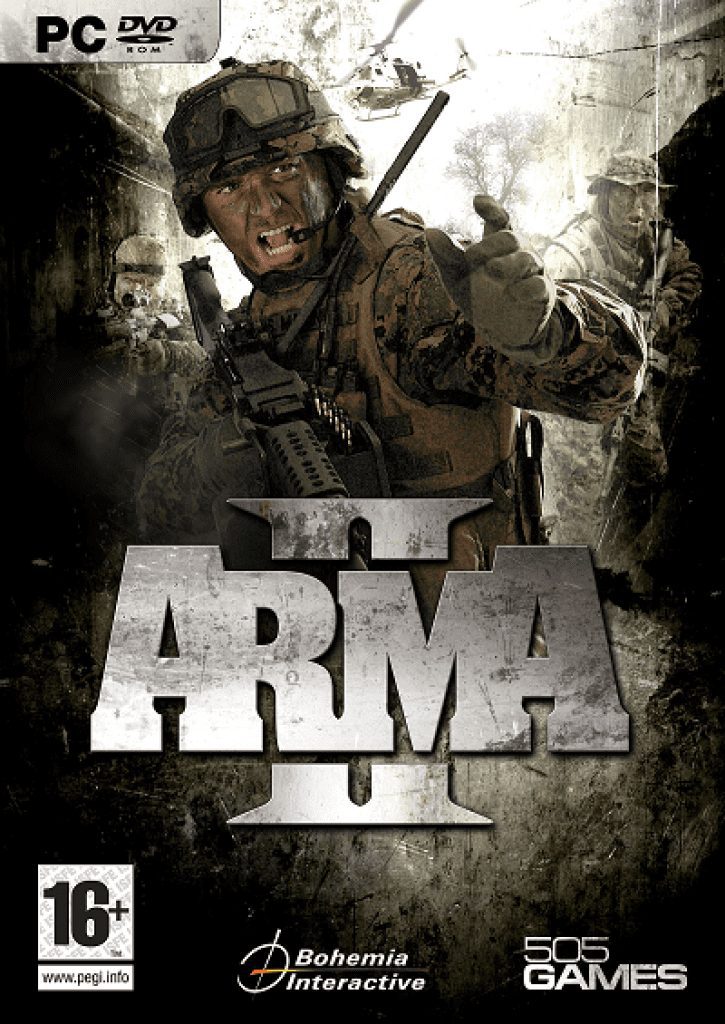
The more important line of descent runs through the military simulator ARMA 2. Its zombie-survival mod DayZ (2012) showed how compelling a large, open map with scarce loot and permanent death could be. Brendan Greene, known online as "PlayerUnknown", then built a battle royale mod for ARMA 2 and later ARMA 3. His ruleset (random spawns, scavenged gear, a shrinking play area) became the template the whole genre still follows.
The first standalone games
Greene consulted on H1Z1, whose battle royale mode (later sold separately as H1Z1: King of the Kill) was one of the first commercial battle royale games, arriving in early access before PUBG. H1Z1 even attempted a franchised pro league in 2018, but the game's player base collapsed under competition from PUBG and Fortnite and the league did not last.
So PUBG was not the first battle royale game. It was the one that turned the genre into a phenomenon.
PUBG and Fortnite: the 2017 breakout
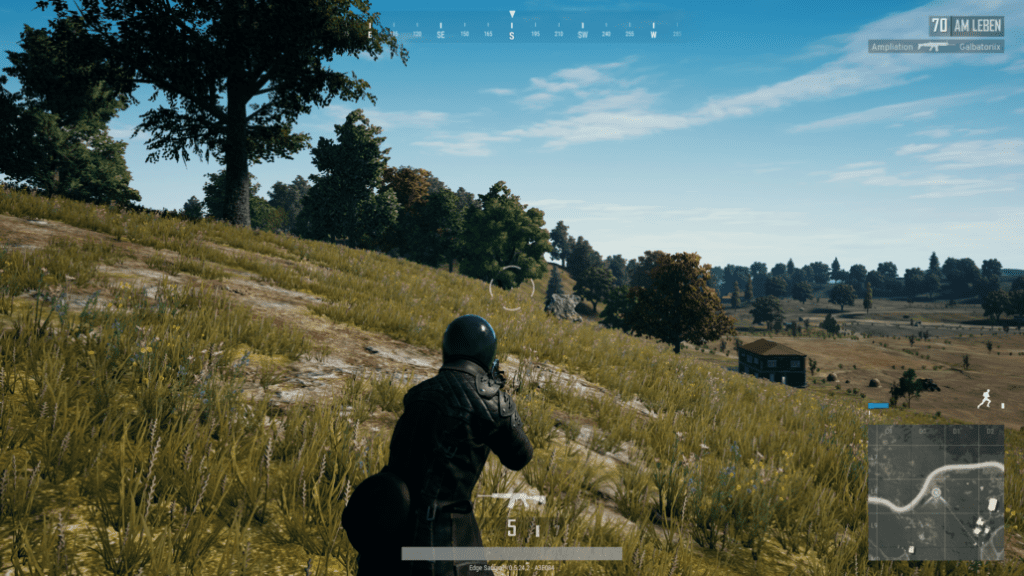
PlayerUnknown's Battlegrounds (PUBG), Greene's own standalone game, entered early access on March 23, 2017 and fully launched in December 2017. It became one of the best-selling PC games ever and set records for concurrent players on Steam. In 2022 it moved to a free-to-play model.
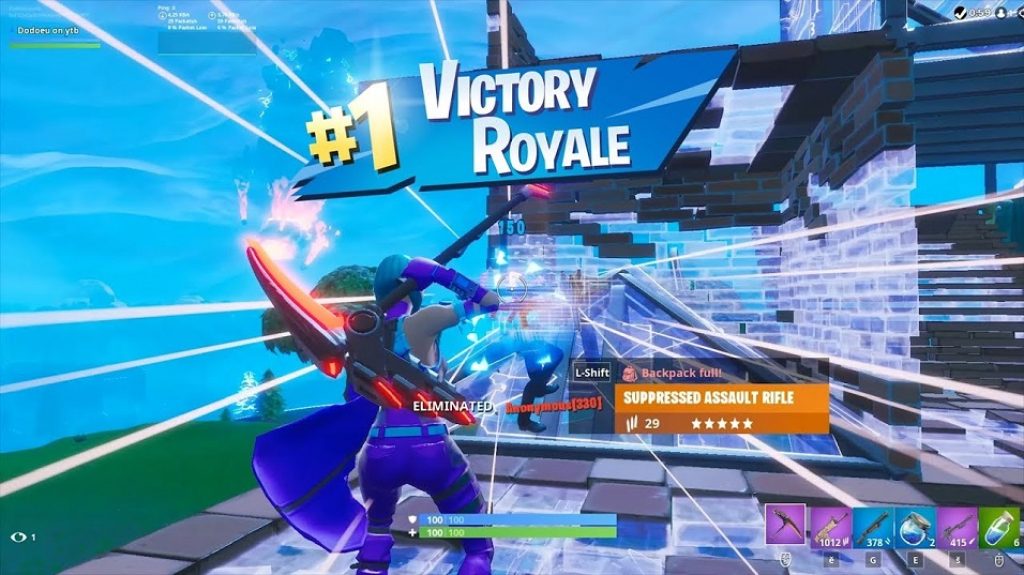
Fortnite had launched in July 2017 as a co-operative survival game ("Save the World"). Epic Games added a free Battle Royale mode in September 2017, and it quickly outgrew everything else in the genre. Its cartoon style, building mechanic and frequent live events turned it into a mainstream cultural moment in 2018, well beyond the usual gaming audience.
After those two, almost every major publisher shipped a battle royale of its own. Some stuck (Apex Legends, Call of Duty: Warzone), many did not.
How battle royale tournaments work
This is where the genre differs most from the esports you'll find on the rest of our site. A CS2 or League of Legends series is one team against another, and the winner is obvious. A battle royale tournament is a points race across many matches:
- Large lobbies. A PUBG lobby is typically 16 squads of four; Apex Legends uses 20 trios. Every team in the event is in the same match at once.
- Placement and elimination points. Teams earn points for how long they survive and for each kill. Scoring tables differ by game and organizer, and tuning that balance (rewarding aggression without punishing smart, passive play) is a constant debate.
- Many matches per day. Because one game is high-variance (a bad circle can end a great team's run in minutes), events play a long series of matches and add up the points.
- Match point formats. Some events, notably the Apex Legends Global Series finals, use a "match point" rule: a team has to reach a points threshold and then win a game outright to take the title. It guarantees the champion actually wins a game, and it makes the endings far more dramatic.
The other big challenge is broadcast. With 16 to 20 teams fighting in different corners of the map, the observer team decides which fights the audience sees, and important moments are easily missed. Good BR broadcasts rely on heavy use of replays, kill feeds and live leaderboards to keep viewers oriented.
The major competitive scenes
PUBG
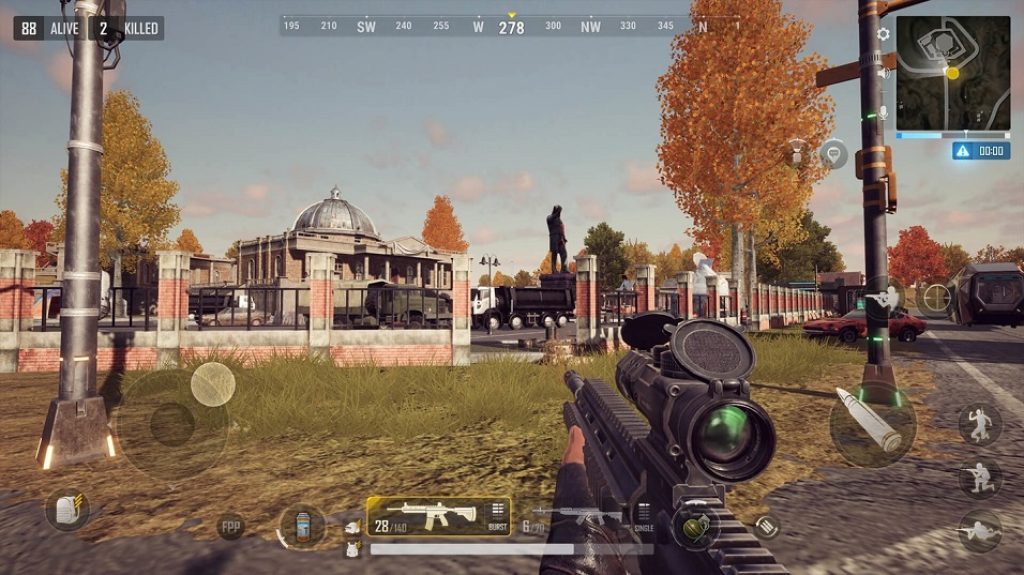
PUBG was the first battle royale to build a structured global esports circuit. After invitationals such as the PUBG Global Invitational in 2018, Krafton set up the PUBG Global Championship (PGC) as its season-ending world championship, along with the PUBG Nations Cup (PNC), where players represent their countries. In 2024 the circuit added the PUBG Global Series (PGS), a run of international events across the year. The scene's traditional strongholds are South Korea, China and other parts of Asia, alongside Europe and the Americas.
Fortnite
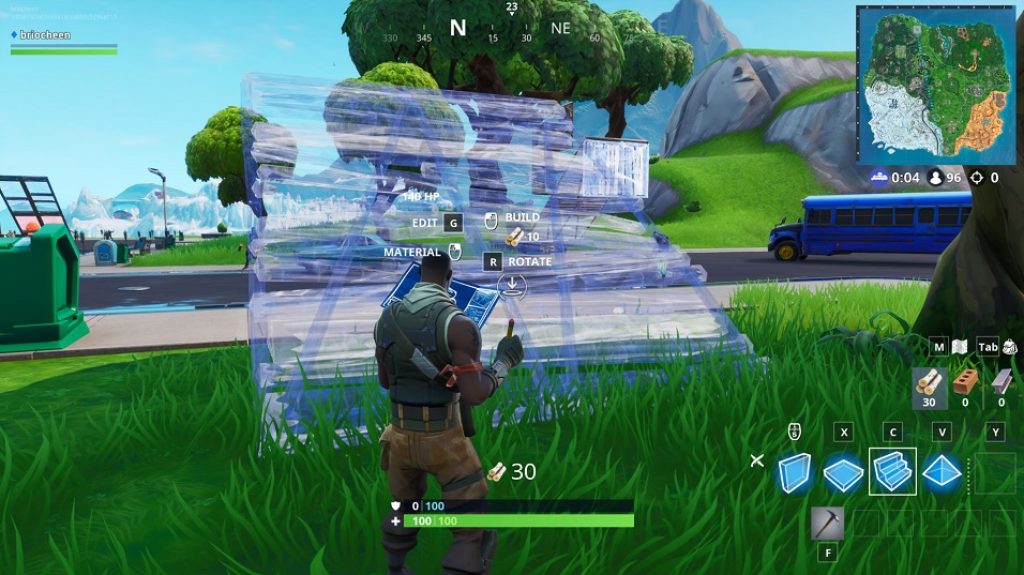
The 2019 Fortnite World Cup in New York's Arthur Ashe Stadium is still one of the landmark events in esports history. Epic put up a $30 million total prize pool, and the solo champion, 16-year-old Kyle "Bugha" Giersdorf, took home $3 million. The ongoing Fortnite Champion Series (FNCS) has run since 2019 as the game's main team competition, and its format (duos or trios) has changed between seasons.
Fortnite's esports is unusually open: online qualifiers let anyone with enough skill climb through the rounds, which is a big part of why so many young players broke through there. The flip side is that Epic changes the game often, and the competitive scene has to adapt to new items and mechanics mid-season.
Apex Legends
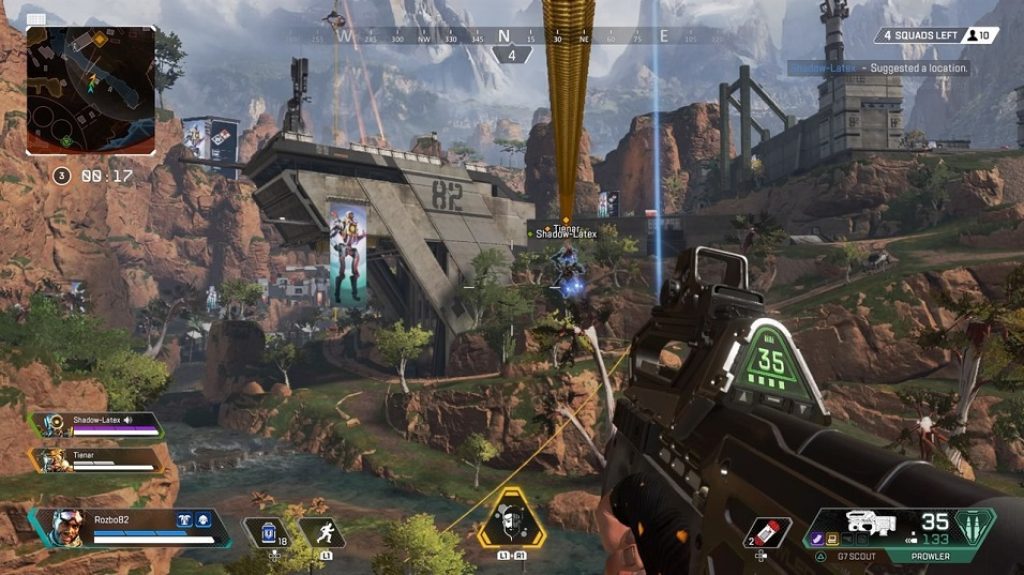
Respawn's Apex Legends launched in February 2019 and brought hero-based abilities into the genre: each "legend" has its own skills, so team composition matters much like in Overwatch or Valorant. The Apex Legends Global Series (ALGS), run by EA and Respawn, became its main professional circuit, with regional leagues feeding international Split Playoffs and a season-ending Championship. Many fans consider Apex the most "esport-like" battle royale, thanks to its three-player squads, fast pace and the match point finals format described above.
Call of Duty: Warzone
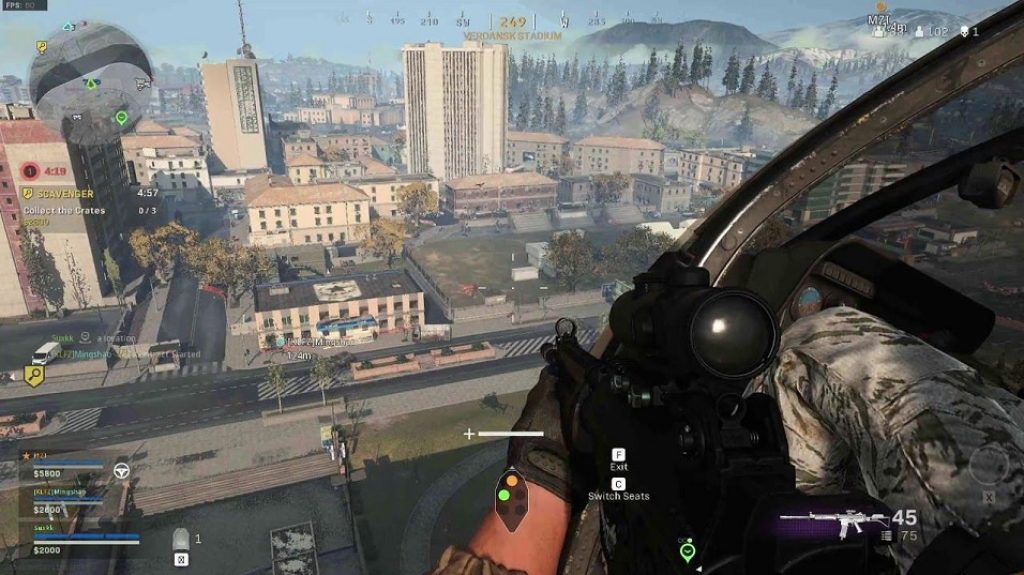
Warzone launched on March 10, 2020, right as the world went into lockdown, and was huge almost immediately. Its competitive scene grew differently from the others: much of it was creator-driven, with streamer tournaments and community events, plus Activision-run showcases such as the World Series of Warzone. Warzone never got the long-term, structured pro league that Call of Duty's traditional multiplayer has in the Call of Duty League.
Mobile: PUBG Mobile and Free Fire
If you measure by players and viewers rather than by Western media coverage, mobile battle royale is the biggest part of the genre. PUBG Mobile launched globally in 2018 and has its own large circuit, headlined by the PUBG Mobile Global Championship (PMGC). Garena's Free Fire, designed to run on low-end phones, became enormous in Southeast Asia, Latin America (Brazil above all) and India, until the game was banned in India in 2022. Its Free Fire World Series has drawn some of the highest peak viewership numbers in esports. Both games have also featured at the Esports World Cup in Riyadh.
Mobile BR is a good reminder that esports isn't just PC: in many countries, a phone is the main gaming device, and the competitive scenes reflect that.
Why battle royale esports is hard to get right
Battle royale is one of the most-played genres in the world, yet none of its esports scenes have the stability of CS2 or League of Legends. A few reasons come up again and again:
- Randomness. Loot, flight paths and circle positions are random. Long multi-match events smooth that out, but a single unlucky zone can still swing a title.
- Viewing experience. It's hard to follow 60 or more players at once, and casual viewers often prefer watching one streamer's point of view to an official broadcast.
- Constant change. BR games live on frequent updates and new seasons, so the competitive meta rarely settles.
- Publisher dependence. As with most esports, the scene exists only as long as the publisher funds it. H1Z1's quick collapse showed how fast that can end.
Following battle royale on Esportsresults
Our live scores, results and team pages are built around head-to-head matches, where one team plays another and a series has a clear scoreline. Battle royale events, with their lobbies and points tables, don't fit that model, so we currently don't cover BR tournaments. For the genres we do cover, see live and recent matches for Counter-Strike 2, Valorant, League of Legends and Dota 2, or our Elo-based team power rankings.
Conclusion
In under a decade, battle royale went from a mod on a military simulator to one of the most-played genres on the planet. Its esports side is still finding its shape: Fortnite gave it the single biggest event, Apex and PUBG built the most structured circuits, and mobile games brought it to audiences the rest of esports rarely reaches. The format will never be as tidy as a best-of-three, but that unpredictability is exactly what its fans love.